Alright, let's talk foundations. If you're building a new home or even adding a significant extension here in Mobile, one of the first big decisions you'll face is what kind of foundation you're going to put under it. It's not the sexiest part of a house, but it's arguably the most important. Get this wrong, and you're in for a world of headaches down the road.
Most folks around here are looking at two main options: a slab-on-grade foundation or a crawl space foundation. Both have their place, but they're definitely not created equal, especially with our unique Mobile climate and soil conditions. Let's dig into what each one means for you.
Slab-on-Grade Foundation: The Solid Approach
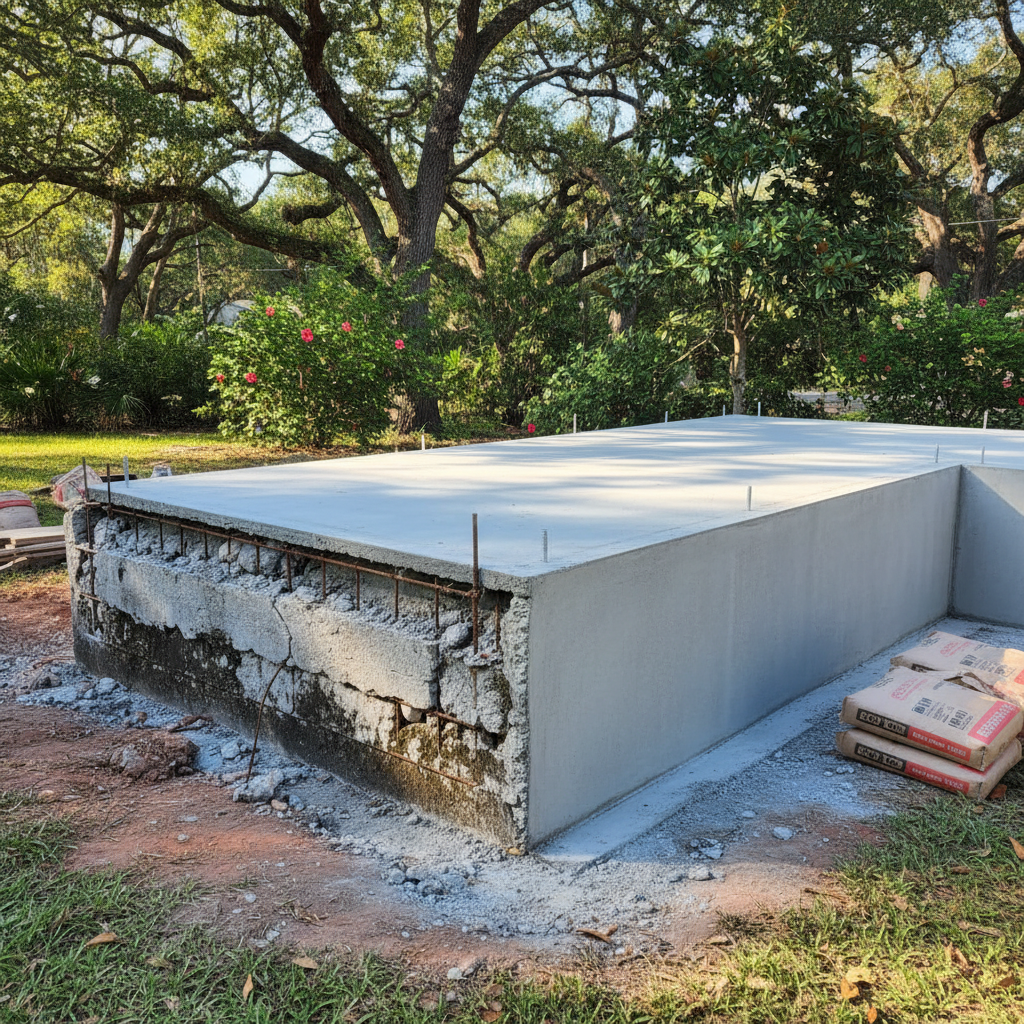
A slab foundation is pretty much what it sounds like: a thick, reinforced concrete slab poured directly on the ground. Before the pour, we prepare the site, lay down a vapor barrier, and install any necessary plumbing and electrical conduits. The slab itself becomes your ground floor.
- Cost: Generally, slabs are the most budget-friendly option upfront. Less excavation, fewer materials like block and lumber for walls, and quicker installation mean lower labor costs. If you're trying to keep the initial build cost down, a slab is usually the way to go.
- Durability: These things are tough. A properly poured and reinforced slab is incredibly strong and resistant to pests like termites, which are a real nuisance here in Alabama. It's also less susceptible to moisture issues from the ground if the vapor barrier is installed correctly. You won't have to worry about wood rot under your house because there's no wood there.
- Maintenance: Very low maintenance. There's no crawl space to inspect for critters, plumbing leaks, or HVAC duct issues. What you see is what you get.
- Appearance: Well, you don't really 'see' the foundation once the house is built, but the interior floor is right on the ground level. Some folks like that seamless transition to the yard.
- Disadvantages: The biggest drawback with a slab is access. If you have a plumbing leak *under* the slab, fixing it means cutting into your concrete floor. That's a messy, expensive job. Also, if the ground settles unevenly (which can happen with our clay soils around areas like Cottage Hill if not properly compacted), you can get cracks in the slab and walls.
Crawl Space Foundation: The Elevated Option
With a crawl space, we're building a short wall (usually concrete block or poured concrete) on top of concrete footings, which then supports the floor joists and subfloor of your home. This creates a space, typically 2-3 feet high, between the ground and the bottom of your house.
- Cost: Expect to pay more for a crawl space. You've got more excavation, more concrete for footings, more block or poured concrete for the walls, and then all the lumber for the floor system. It adds up.
- Durability: Very durable when built right. The elevation helps protect the house from ground-level moisture and minor flooding. It also allows for better air circulation under the home, which can be a big plus in our humid climate, helping to prevent mold and mildew if properly vented or conditioned.
- Maintenance & Access: This is where crawl spaces shine. If you have a plumbing leak, an electrical issue, or need to run new wiring or ductwork, it's all accessible. You can get down there, make repairs, and usually avoid tearing up your finished floors. This can save you a lot of money and hassle in the long run.
- Appearance: A crawl space elevates your home slightly, which some people prefer aesthetically. It can give the house a more substantial, traditional look.
- Disadvantages: Crawl spaces can be prone to moisture issues if not properly managed. Poor ventilation, especially in our high humidity, can lead to mold, mildew, and wood rot. They can also become attractive homes for pests like rodents, snakes, and, yes, those ever-present termites. Encapsulation (sealing off and conditioning the crawl space) can mitigate these issues but adds to the cost.
My Takeaway for Mobile Homeowners
Here's the deal: for most new residential construction in Mobile, a slab-on-grade foundation is often the most practical and cost-effective choice. It's durable, low maintenance, and less prone to pest and moisture issues when done right by a company like Port City Concrete. Our relatively flat terrain and the need for cost efficiency often make it the go-to.
However, if your budget allows for it, or if you're building on a site with specific drainage challenges, a well-built and properly managed crawl space (especially an encapsulated one) offers significant advantages in terms of access for future repairs and potential moisture control. The peace of mind knowing you won't have to bust up your kitchen floor for a pipe repair is worth a lot to some folks.
Ultimately, the best foundation for your home depends on your budget, your site conditions, and your long-term priorities. Always talk to your builder and foundation contractor about the specifics of your project. They can help you weigh these factors and make an informed decision that'll keep your home standing strong for decades.