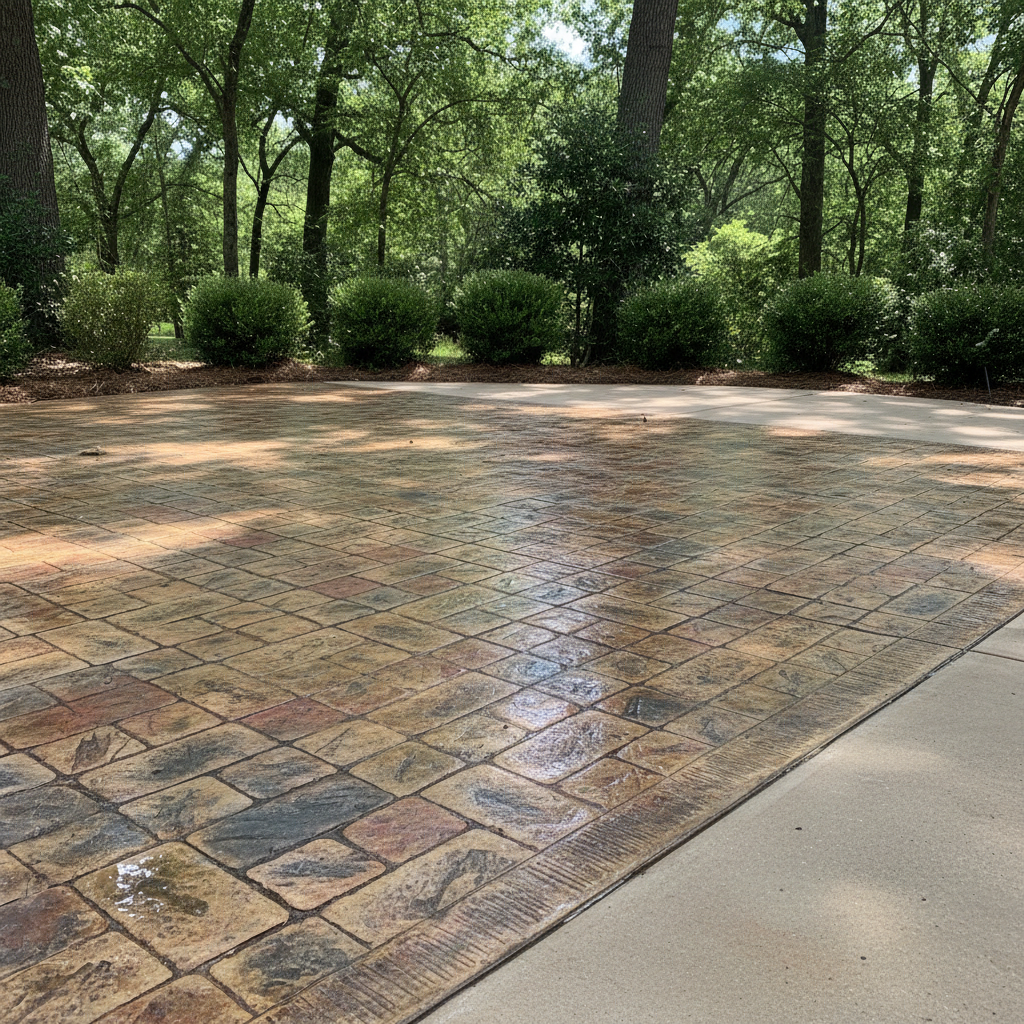
You know those gorgeous patios, walkways, and floors that seem like stone, tile, or even wood, but are actually concrete? Decorative concrete really changes the game for curb appeal, and it's something a lot of Mobile homeowners often ask me about. But let's be real: can you tackle this yourself, or should you bring in the pros?
Before You Start: Getting Your Decorative Concrete Project Ready
First things first, you've got to understand what you're getting into. Decorative concrete isn't just one thing; it covers a whole bunch of techniques. We're talking about staining, overlays, and epoxy coatings. Each one gives a different look and has its own level of difficulty, naturally.
What Are Your Choices?
- Concrete Staining: This is where you add color to your existing concrete. Stains, whether they're acid-based or water-based, react with the concrete to make translucent, permanent colors that can look like natural stone, wood, or even leather. It's a fantastic way to spruce up concrete that's seen better days.
- Concrete Overlays: If your concrete has some small flaws but is still solid underneath, an overlay can give it a fresh start. This is a thin layer of a special concrete mix applied right over the old surface. Overlays can be textured, colored, and even stamped to mimic other materials.
- Epoxy Coatings: These are super tough, long-lasting coatings that work great for garage floors, patios, and even inside your house. They come in tons of colors and can even include decorative flakes for a custom touch.
DIY vs. Pro: The Big Question
Look, I'm all about saving money when you can, but concrete work isn't like painting a wall. The main thing to think about is how big and complicated your project is. Small, non-structural things, like a little stepping stone or a tiny patch, you might be able to handle. But for anything bigger, structural, or if you're aiming for a really specific, high-end look, you absolutely need a professional.
Here in Mobile, our soil conditions can be tricky. We've got expansive clay and a high water table in some areas, especially near the bay. That means concrete needs to be put in correctly, with proper site preparation, to keep it from cracking and settling down the road. A DIY mistake can quickly turn into a costly repair — faster than you can say "humidity."
For staining, some homeowners might try it themselves. You can find acid-based reactive stains that resist UV rays and are made for inside and outside use. But getting it on evenly and making sure the surface is prepped just right is super important. If you mess up the surface prep, the stain won't soak in correctly, and you'll end up with a splotchy finish.
Overlays and epoxy coatings? Those are definitely jobs for the pros. They need special products, equipment, and a lot of know-how to apply correctly and get a durable, good-looking finish. You really don't want your new patio overlay peeling up after a couple of our Mobile summer downpours, do you?
During the Project: What to Expect
Whether you go DIY or hire Port City Concrete, preparation is everything. For any decorative concrete, the existing surface has to be clean, dry, and free of grease, dirt, and old sealers. This often means pressure washing, and sometimes grinding or patching, especially if you're staining or doing an overlay.
If you're going the DIY route for something like a small stained concrete area, make sure you do a test patch somewhere hidden. Every concrete slab reacts differently to stain because of its unique mineral content, so no two floors will ever look exactly alike. You'll want to see how the color turns out before you commit to the whole area.
For professional jobs, we'll take care of all the prep, make sure the right materials are chosen for Mobile's climate, and apply the decorative finish with precision. We know how crucial it is to work quickly and efficiently, especially with concrete, because once it's mixed, you don't have much time before it starts to set.
After the Project: Keeping it Nice and Making it Last
So, you've got your beautiful new decorative concrete. What now? Maintenance is pretty simple, but it's important, especially with our Gulf Coast weather.
Keep it Clean
Just hosing it down regularly with a mild detergent is usually all it takes to keep decorative concrete looking good. This helps get rid of dirt and debris before it can build up or stain the surface.
Seal it Up
This is probably the most critical step for long-term protection, especially right here in Mobile. Decorative concrete surfaces need a protective sealant. This sealant protects against UV damage, stains, and wear. Our constant humidity, heavy rain, and strong sun can really beat up unsealed concrete, leading to fading, mildew, and the surface breaking down.
You'll need to reseal the surface periodically. For most outdoor decorative concrete, that's every 2-5 years, depending on how much foot traffic it gets and how much sun it sees. Driveways, for instance, might need it every 2-4 years. Resealing helps keep the color vibrant and protects against moisture getting in.
Some sealers are designed to bond permanently with the concrete, offering long-lasting protection with just one application. But even with those, keeping an eye on it and doing touch-ups as needed is just smart thinking.
Ultimately, decorative concrete can add a ton of value and beauty to your home. Just make sure you're realistic about what you can do yourself and when it's time to call in a local expert like us at Port City Concrete. Getting it done right the first time will save you headaches and money in the long run, believe me.